Organic Shape Patterns: A Guide to Choosing, Using, and Avoiding Common Pitfalls
Organic Shape Patterns are a powerful design tool that blends natural forms with structured aesthetics. Whether you're a graphic designer, marketer, or hobbyist, these patterns offer a unique way to add visual interest and depth to your projects. Their fluid, flowing lines and curves mimic the randomness of nature, making them ideal for branding, packaging, web design, and more. But like any design resource, there are common mistakes people make when working with Organic Shape Patterns. Understanding these can help you avoid wasted time, poor results, and unnecessary costs.
What Are Organic Shape Patterns?
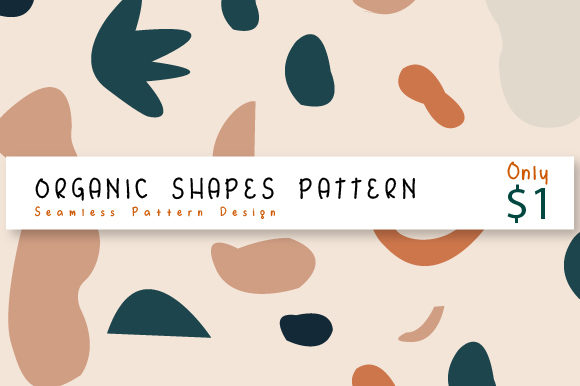
Organic Shape Patterns are not just random shapes; they are carefully designed elements that create a cohesive visual rhythm. Unlike geometric patterns, which rely on symmetry and angles, organic patterns use curves, soft edges, and irregularity to evoke a sense of movement and life. These patterns are often used in modern design to create a more relaxed, artistic feel.
When choosing Organic Shape Patterns, it's important to consider their purpose. Are you using them for a logo, background, or product packaging? The right pattern can elevate your project and communicate the intended mood or message effectively.
Common Mistakes When Working With Organic Shape Patterns
While Organic Shape Patterns can enhance your designs, many users overlook key considerations that can lead to suboptimal results. Here are some common pitfalls:
- Choosing the wrong format: Not all Organic Shape Patterns are created equal. Some may be low resolution or not editable, which can limit their usefulness in professional settings.
- Ignoring scalability: Patterns that look great at small sizes may distort or lose clarity when scaled up, especially for print or digital media.
- Overlooking licensing terms: Many Organic Shape Patterns come with specific usage rights. Failing to understand these can lead to legal issues or restrictions on how you can use the files.
- Not considering compatibility: Some patterns may not work well with certain design software or file formats, leading to frustration during the creative process.
- Underestimating the need for customization: While pre-made Organic Shape Patterns can save time, they may not always fit perfectly into your design. Customizing them can yield better results.
Why Format Matters
One of the most critical decisions when purchasing Organic Shape Patterns is selecting the right file format. For example, EPS (Encapsulated PostScript) is an excellent choice for vector-based designs because it maintains quality at any scale. It's also editable, allowing you to adjust colors, shapes, and sizes without losing clarity.
In contrast, PNG files are great for web use but may lack the flexibility of vector formats. If you're planning to use Organic Shape Patterns in print or across multiple platforms, opting for EPS ensures consistency and high-quality output. Always check if the files are editable before making a purchase.
Realistic Examples of Good vs. Poor Choices
Let’s say you’re designing a brand identity for a wellness company. You might choose an Organic Shape Pattern that features flowing, calming curves to reflect the brand’s values. However, if the pattern is too busy or doesn’t align with the brand’s color scheme, it could distract from the overall message.
A better approach would be to select a pattern that complements the brand’s aesthetic while offering enough detail to stand out. Test the pattern in different contexts—on a website, in print materials, and as part of a logo—to ensure it works well across all applications.
How to Evaluate Organic Shape Patterns Before Buying
Before investing in Organic Shape Patterns, take the time to evaluate them thoroughly. Here are some questions to ask yourself:
- Does the pattern match the intended use case?
- Is the file format suitable for my project type?
- Can I edit the pattern to suit my needs?
- Are there any restrictions on usage or distribution?
- Is the price reasonable compared to the value provided?
- Do I have access to support or updates if needed?
By asking these questions, you can avoid costly mistakes and ensure that the Organic Shape Patterns you choose meet your expectations and requirements.
Practical Advice for Success
To get the most out of Organic Shape Patterns, start by defining your goals. Know what you want to achieve with the patterns and how they will be used. This helps you narrow down your options and find the best fit.
Also, don't hesitate to experiment. Try different combinations of patterns, colors, and layouts to see what works best for your project. Remember, the goal is to enhance your design, not overwhelm it.
Finally, always keep an eye on where you're getting your Organic Shape Patterns from. Reputable sources provide high-quality, editable files and clear licensing terms. Don’t forget to visit our shop for a wide selection of EPS 10 editable and high-quality PNG files that are perfect for your next project.